Forty years under the loupe.
Arthur Hale has set eleven thousand stones and still closes every claw by hand. We spent a week at his end of the bench, asking what a machine can’t see.
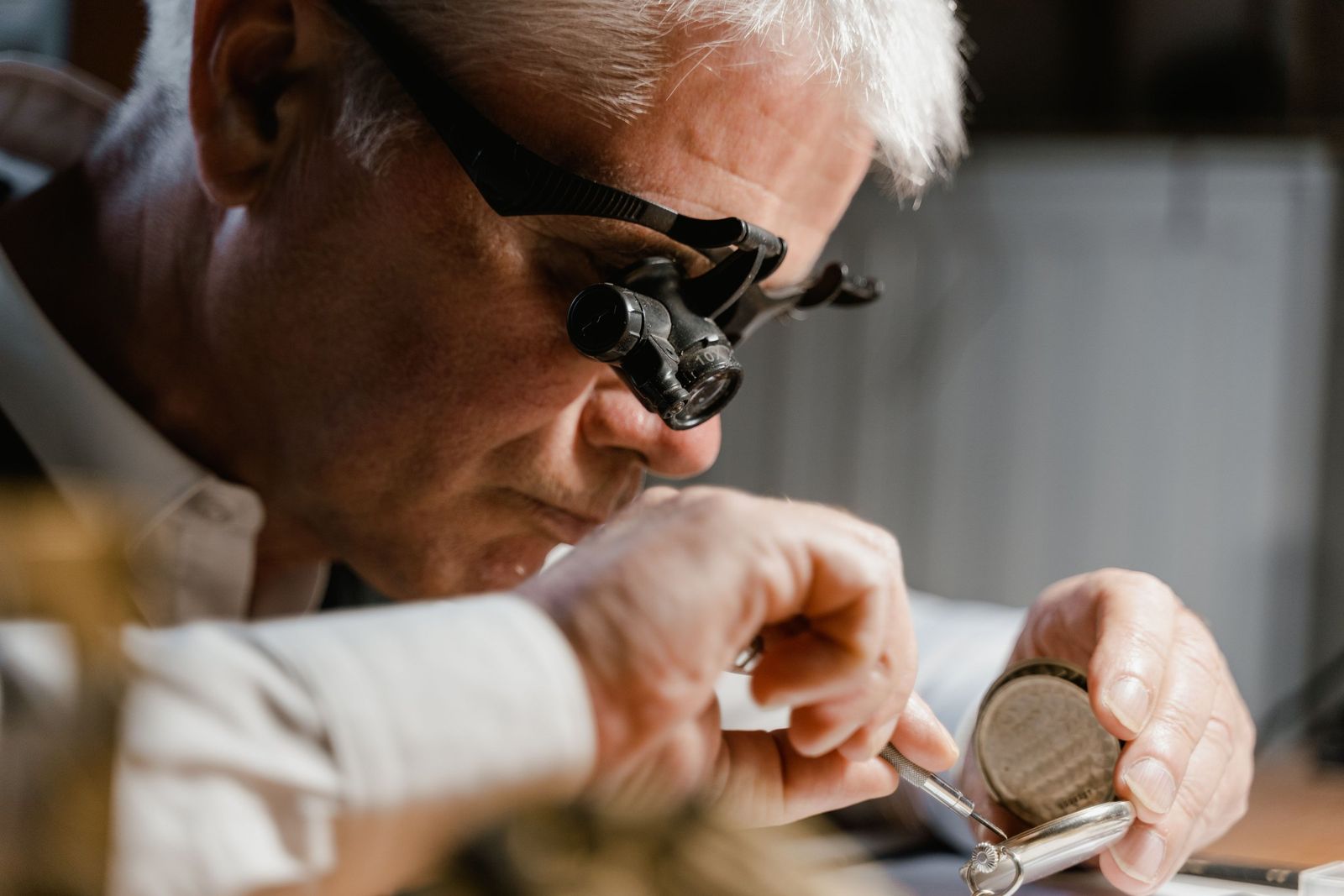
The bench is eleven feet long and Arthur’s end of it faces east. He has sat there since 1986, first as an apprentice filing claws for someone else, now as the setter everyone else in the room brings their doubts to. When we arrive at half past eight he is already working, a double head loupe pushed up on his forehead like reading glasses.
The east window
Light is the first tool. Arthur won’t set a stone after two in the afternoon if he can help it, because the sun moves round to the south glass and every stone looks whiter than it is. “You set in the light the ring will be worn in,” he says. “Nobody wears a ring under a spotlight.”
He grades by eye before he looks at the certificate. It is a habit, not a test: the paper says what the stone is, his eye says how it will behave in a four-claw at five millimetres off the finger.
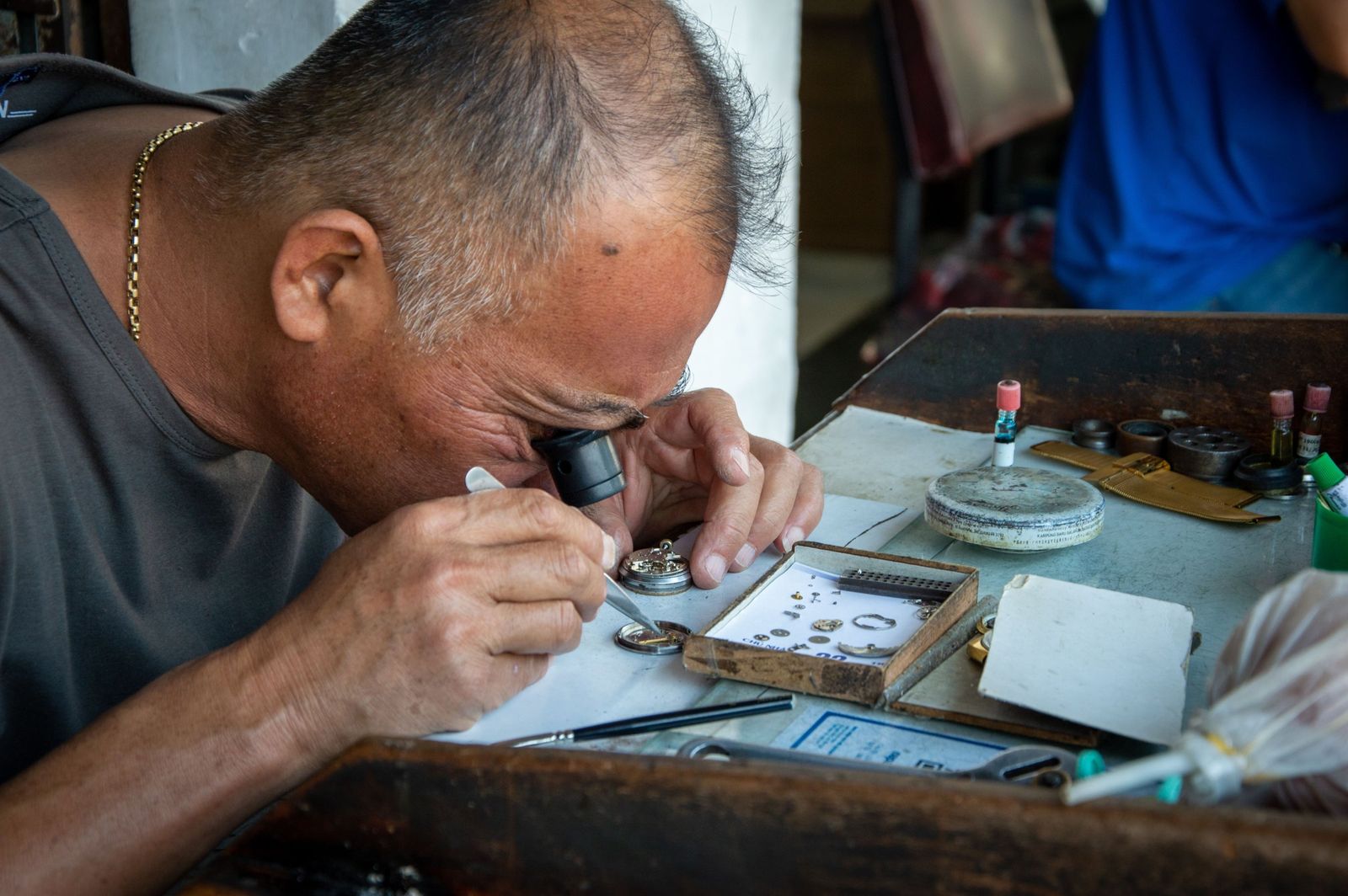
Every claw by hand
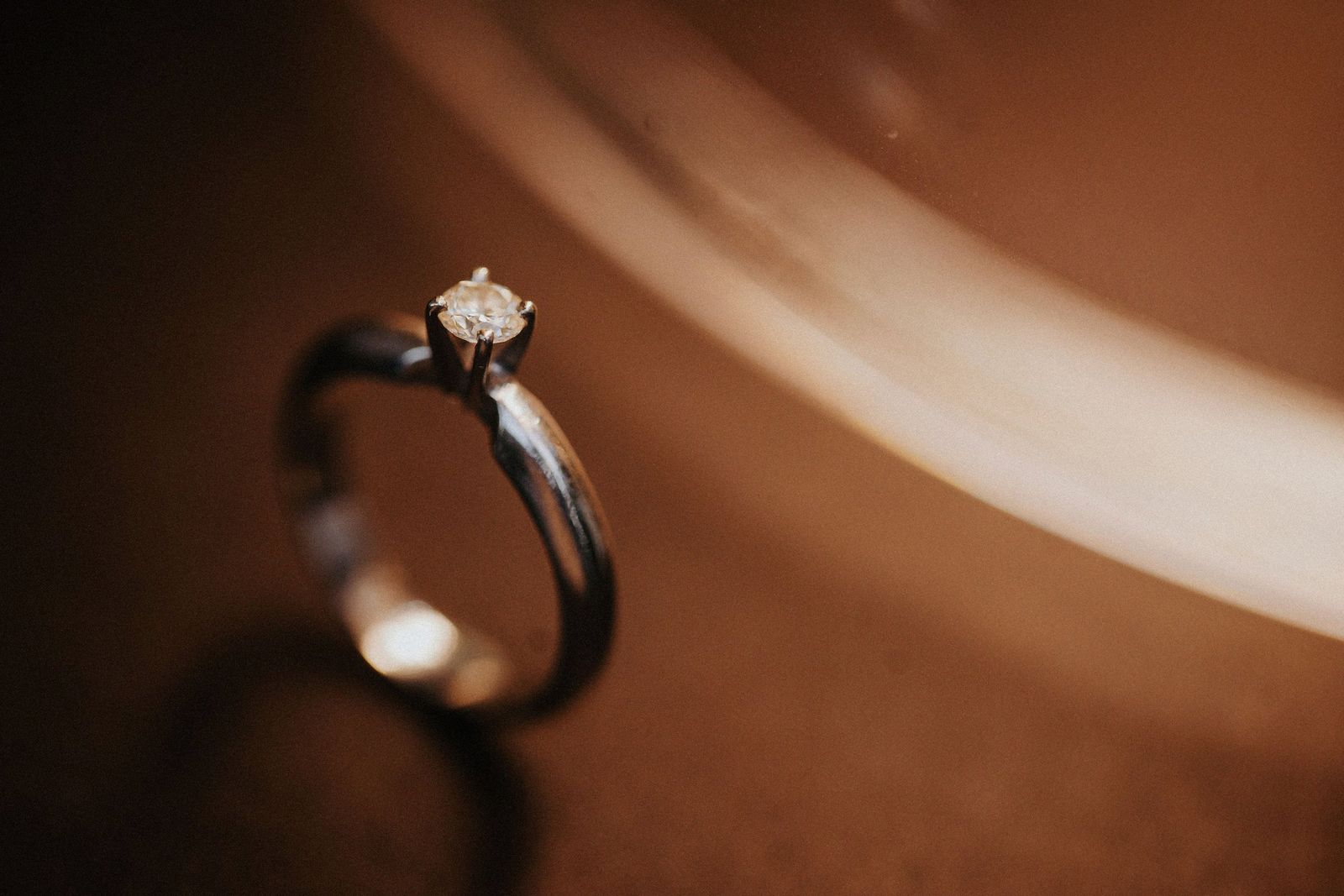
A four-claw setting is four small decisions. Each claw is raised, cut with a seat for the girdle, and pushed over the crown in an order that keeps the table level. Arthur works them in a cross — north, south, east, west — and checks the height with the side of his thumbnail between each one.
- Cut the seat to the girdle, not deeper.
- Push north and south until they just touch.
- East and west, then check the table under ×10.
- Round the tips so they won’t catch a jumper.
“A machine can set a stone straight. It can’t tell you the stone is the wrong way round.”
The wrong way round
Every stone has a face. On a round brilliant it is subtle — a slight asymmetry in the arrows, a feather that sits better at six o’clock than at twelve. Arthur turns each stone on the setting before the first claw goes over, sometimes for five minutes, until the inclusion is under a claw and the arrows line up with the shank.
After forty years
We ask what has changed. CAD, he says, and lab-grown stones, and the fact that people now bring photographs of rings they have seen on their phones. What hasn’t changed is the last hour: the claw tips, the polish, the moment he pulls the loupe down one more time and doesn’t say anything.
Then he hands it across the bench. “That’s yours,” he says, to someone who isn’t in the room yet.